

Selecting the right coffee machine for office use demands the same thoughtful deliberation you would apply to any business decision that affects every employee, every working day. The market offers dozens of models, each promising superior coffee. Cutting through the noise to find the machine that genuinely suits your workplace requires a systematic approach.
Defining Your Requirements
The selection process begins not in a showroom but in your own office. Spend a week observing your team’s coffee habits. Note how many people drink coffee, when peak demand occurs, which beverages are most popular, and how much pantry space is available. This observational groundwork prevents the common mistake of choosing a machine based on features rather than fit.
A small creative agency of fifteen people needs something fundamentally different from a corporate floor hosting two hundred employees. The agency might thrive with a compact bean-to-cup machine that produces eight to ten cups per hour. The corporate floor requires high-throughput workplace coffee system equipment capable of serving hundreds of cups daily without queues forming.
“We visited three showrooms before choosing our machine,” says Amanda Loh, operations lead at an architecture practice. “But the most useful thing we did was track our actual coffee consumption for two weeks first. That data made the showroom visits far more productive because we knew exactly what capacity we needed.”
Bean-to-Cup Machines: The Premium Choice
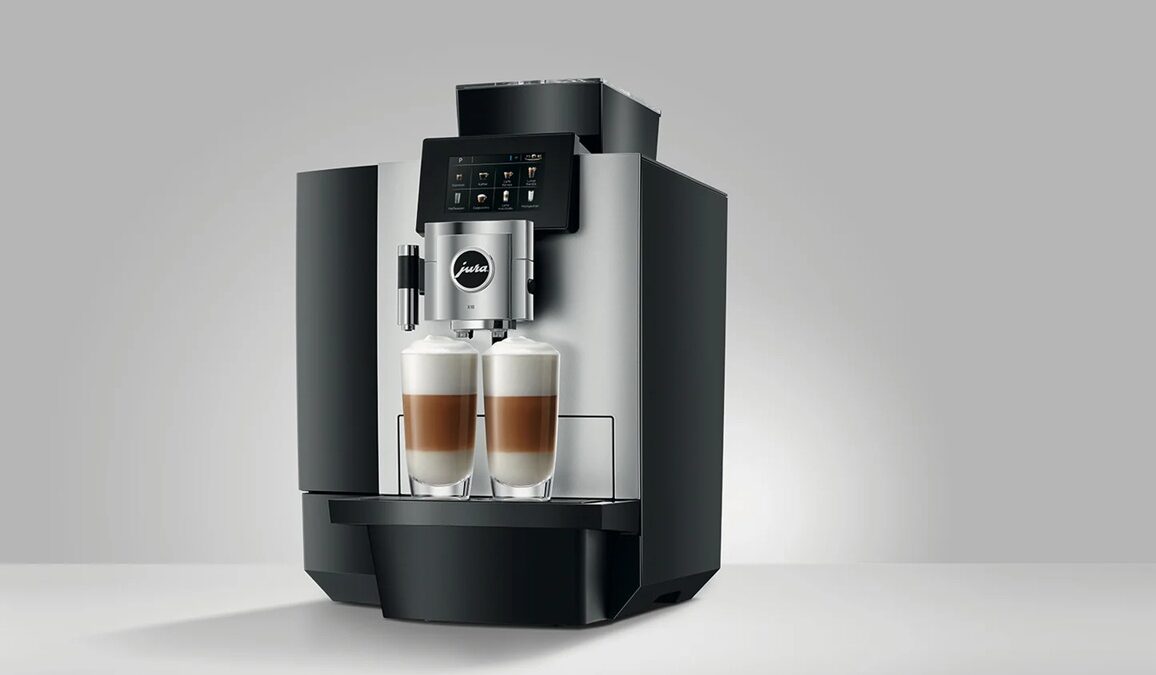
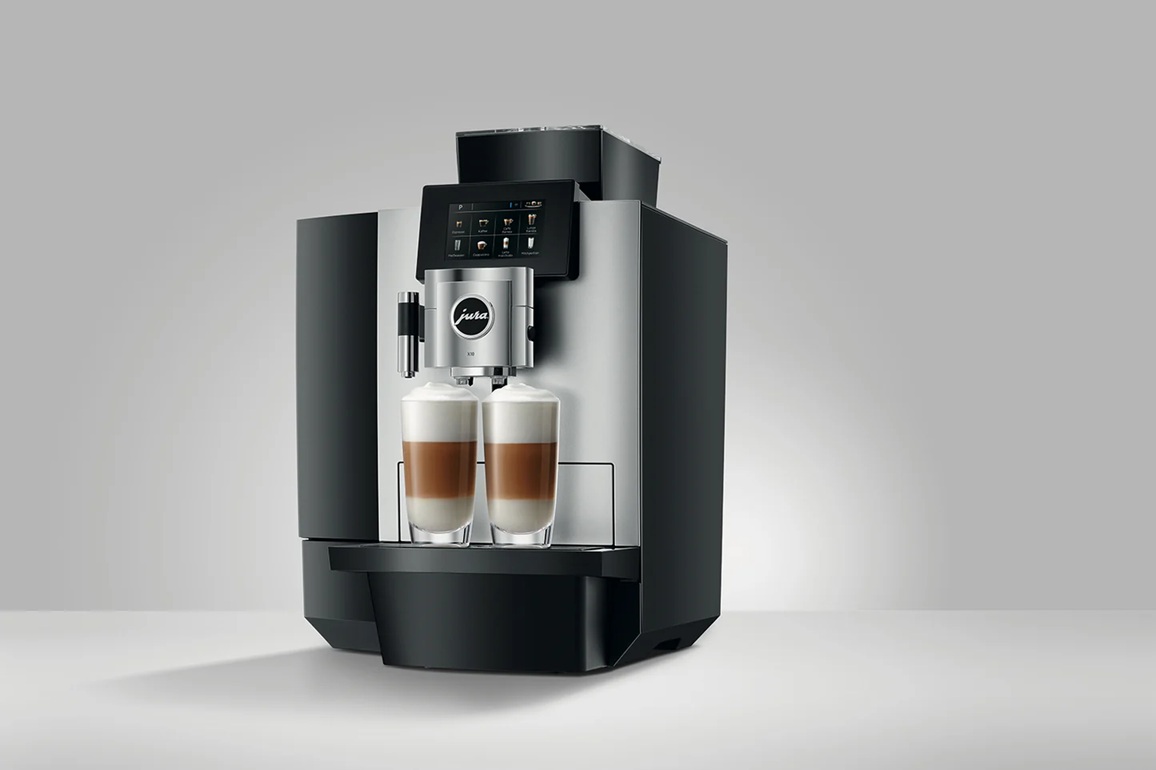
For offices that prioritise coffee quality above all else, bean-to-cup machines represent the gold standard. These units grind whole beans fresh for every cup, extract espresso under optimal pressure, and many include integrated milk frothing systems for lattes and cappuccinos.
The advantages are clear. Fresh grinding preserves aromatic compounds that pre-ground coffee loses rapidly. Precise temperature and pressure control ensures consistent extraction. The result is coffee that rivals a good cafe – a powerful statement about how your company values its people.
The trade-offs include higher purchase or rental costs, greater maintenance requirements, and more noise during the grinding process. For offices where quality justifies these considerations, a bean-to-cup model is the definitive choice in office brewing equipment.
Capsule Machines: Convenience First
Capsule systems offer unmatched simplicity. Insert a capsule, press a button, and receive a consistent cup. There is no grinder to clean, no beans to store, and no complex brewing parameters to manage. Each capsule is sealed at the factory, ensuring freshness and eliminating the variability that loose beans can introduce.
This consistency makes capsule machines attractive for offices where ease of use is the primary concern. Staff need zero training. Maintenance is minimal – occasional descaling and drip tray emptying cover most requirements.
The downsides are environmental and economic. Capsules generate waste, though recycling programmes exist for some brands. Per-cup costs are typically higher than bean-to-cup alternatives, and the flavour, while consistent, rarely matches the depth and complexity of freshly ground coffee. For a corporate coffee solution balancing cost and convenience, capsules occupy a practical middle ground.
Filter and Batch Brew Machines
Offices where black coffee dominates consumption patterns benefit from filter or batch brew machines. These units produce large volumes efficiently – a full pot can serve ten to twelve cups – making them ideal for morning rushes and meeting room service.
Modern filter machines have evolved beyond the basic glass-pot models of previous decades. Precision temperature control, pre-infusion functions, and insulated thermal carafes that maintain serving temperature for hours now elevate the filter coffee experience. For teams that drink primarily americanos or long blacks, a quality filter machine delivers excellent results at a low per-cup cost.
Hybrid and Multi-Function Models
Some manufacturers now offer machines that combine espresso extraction with filter brewing capability, or units that pair a bean-to-cup system with a separate hot water dispenser for tea. These multi-function models appeal to offices with diverse beverage preferences.
Evaluate whether the hybrid design compromises either function. A machine that does two things adequately may serve you better than two separate machines that each do one thing excellently – or it may not. Context determines the answer.
Matching Model to Budget
Budget reality shapes every purchasing decision. Consider these cost categories when comparing models:
- Acquisition cost – The upfront purchase price, or the monthly rental fee if you opt for that model.
- Consumable cost – Beans, capsules, milk, filters, and cleaning agents. Calculate this on a per-cup basis for accurate comparison.
- Maintenance cost – Routine servicing, part replacement, and occasional repairs. Rental agreements typically bundle these costs; purchased machines do not.
- Energy cost – Daily electricity consumption varies significantly between machine types. An office espresso machine with a large boiler draws more power than a compact capsule unit.
Map these costs over a three-year period to understand the true financial commitment. A cheaper machine with expensive consumables may cost more overall than a premium model with economical running costs.
Testing Before Committing
Never select a coffee machine for office deployment based solely on specifications and reviews. Arrange tasting sessions with your shortlisted models. Invite a cross-section of your team to participate – their preferences matter as much as the facilities manager’s.
Taste the standard black coffee, the espresso, and the milk-based drinks. Assess the noise level during grinding. Check how intuitive the interface is. Ask about the cleaning process and try it yourself. These hands-on evaluations reveal qualities that no brochure can convey.
A Decision Worth Getting Right
The right office coffee machine becomes an invisible part of daily life – reliable, consistent, and quietly appreciated. The wrong one becomes a daily irritation. Invest the time in proper research, testing, and comparison, and your chosen coffee machine for office use will reward that diligence with years of excellent service and satisfied employees.
