
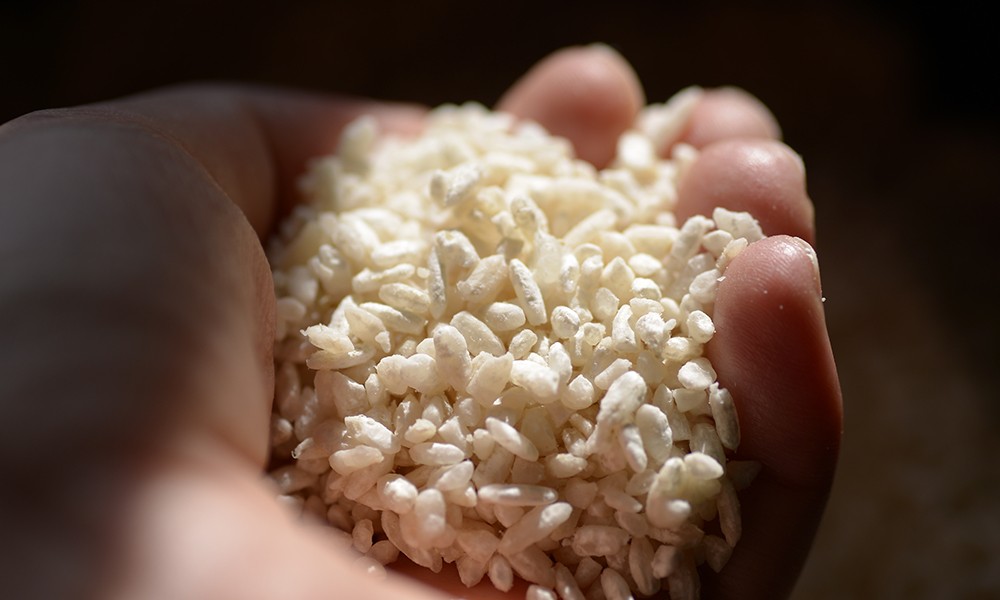

Finding a reliable Japanese rice supplier is a task that rewards patience and precision, because the category encompasses far more than a single grain type, and the standards that govern quality in this segment of the market are among the most exacting in the entire rice trade. Singapore’s restaurant industry has developed a substantial appetite for authentic Japanese short grain rice over the past two decades, driven by the proliferation of Japanese dining concepts from conveyor belt sushi chains to high-end omakase counters, and the supply chain that serves that demand has grown correspondingly sophisticated.
What Japanese-Style Rice Actually Means
The term Japanese rice refers primarily to short grain japonica varieties, characterised by their rounded shape, high moisture retention, and the sticky, slightly sweet texture that results from their elevated amylopectin starch content. When cooked correctly, the grains cling together without becoming mushy, producing the cohesive yet individually distinct texture that is essential for sushi, donburi, and onigiri.
It is important to distinguish between rice grown in Japan and Japanese-style rice grown elsewhere. True Japanese-origin rice, particularly premium varieties such as Koshihikari and Akita Komachi, commands significant price premiums and faces strict export controls from the Japanese government. Most of the short grain rice consumed in Singapore’s restaurant sector is not grown in Japan at all but sourced from countries that cultivate japonica varieties to comparable standards, most notably Australia and Taiwan.
The Role of Australian and Taiwanese Short Grain Rice
Short grain rice suppliers in Singapore have largely built their Japanese restaurant supply on Australian-grown calrose and related japonica varieties. Australia’s temperate growing regions in New South Wales produce short grain rice that meets the textural and flavour profile requirements of Japanese cuisine at a price point that commercial restaurant kitchens can sustain across high-volume service.
Australian short grain rice benefits from:
- Consistent moisture content and milling standards governed by Australian food safety regulations
- Clean, neutral flavour profiles that allow sushi vinegar and other seasonings to express clearly
- Reliable export documentation and food safety certifications recognised by the Singapore Food Agency
- Availability in the bulk pack sizes that professional kitchens and food service distributors require
Taiwanese short grain varieties occupy a complementary position in the market, serving restaurant operators who prefer a slightly different starch characteristic or who source from Taiwan for supply diversification reasons. Both origins sit within the regulatory framework administered by the SFA, which requires import licences and TradeNet declarations for every commercial consignment.
Quality Standards That Matter in This Segment
Steve Coll has written extensively about how institutions develop internal logics that outsiders rarely see, and the quality assessment system for Japanese-style rice suppliers is a good example of that phenomenon. What looks from the outside like a simple commodity purchase involves, on closer inspection, a layered set of specifications that experienced buyers manage with considerable care.
The critical quality parameters for short grain rice in professional food service include:
- Moisture content: Optimal storage and cooking performance requires moisture levels within a defined range; rice that is too dry or too wet will not cook to the correct texture
- Milling grade: The degree to which the bran layer has been removed affects both flavour and the grain’s cooking behaviour
- Protein content: Lower protein content correlates with softer, stickier cooked texture, which is the desired outcome for most Japanese applications
- Absence of broken grains: A high percentage of whole grains is essential for presentation quality in sushi and rice bowl formats
- Crop year: Short grain rice performs best within a defined period after milling; older stock can produce inferior results in the kitchen
How Singapore Restaurants Source Japanese Rice
The supply chain for Japanese rice in Singapore runs through wholesale distributors who import from approved source countries and supply directly to food service operators on regular delivery schedules. The Singapore Food Agency’s licensing framework means that importers must maintain accurate records of origin, quantity, and product specifications for every shipment that enters the market.
Restaurants and food service buyers evaluating rice suppliers for Japanese cuisine should establish the following before committing to a supply relationship:
- Confirmation that the supplier holds a current SFA food import licence
- Written product specifications covering moisture content, milling grade, and country of origin
- Halal certification status, which is a procurement requirement for many hotel food and beverage operations and institutional caterers in Singapore
- Minimum order quantities and lead times, particularly important for restaurants managing tight storage space
- Whether the supplier can provide consistent supply from a single crop origin, as mixing crop years can produce inconsistent cooking results
Retail Access for Home Cooks
Beyond professional food service, Japanese-style rice in Singapore is accessible to retail consumers through supermarkets, specialist Asian grocery retailers, neighbourhood provision shops, and e-commerce platforms including Shopee, Redmart, Lazada, and NTUC Online. Consumer packs typically range from one to five kilograms, with short grain rice now a mainstream supermarket staple across most of the island.
Building a Sustainable Supply Relationship
What distinguishes a professional supply relationship from a transactional one is the depth of information that flows between buyer and supplier. A distributor who understands that a sushi restaurant’s quality standards differ from those of a Japanese fast-casual operator will source accordingly, and that kind of calibrated service only develops through sustained engagement.
The market for short grain and Japanese-style rice in Singapore is competitive, well-regulated, and served by importers with genuine sourcing expertise across Australia, Taiwan, and beyond. For any restaurant operator, food manufacturer, or institutional buyer who needs to establish or review their supply arrangements, the starting point is identifying a japanese rice supplier with the regulatory credentials, the sourcing relationships, and the quality consistency that this demanding segment of the market requires.
