
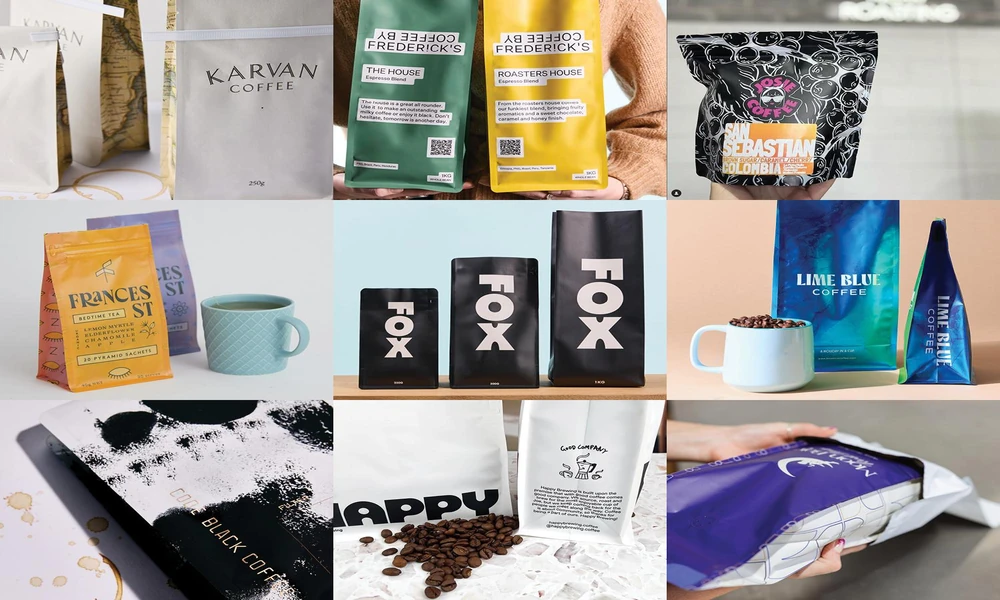

I work with roasters who want packaging that protects quality, looks sharp, and still fits a tight budget. My recommendations come from watching what holds up on the shelf, what speeds up packing, and what drives repeat orders. If you need a quick way to size up formats and features, review current coffee packaging bags and compare them to your roast plan and sales rhythm.
You will find clear steps here for picking formats, setting up labels, planning sustainable materials, and keeping costs under control. I will also point you to a supplier that many Australian coffee businesses rely on for range, speed, and practical advice.
Freshness First: Treat the Bag as Part of Your Recipe
Oxygen is your main opponent. Your bag, valve, and seal are your defence. Get these right before you lock in artwork.
- Use a one-way degassing valve for anything roasted in the last 7 to 14 days. Gas needs a safe exit to avoid bloating or rupturing.
- Pick the right barrier. Foil or high-barrier films keep oxygen and moisture out for longer. That helps protect aroma and body.
- Minimise headspace. Less air in the bag reduces staling. Size the bag to the intended fill weight.
- Choose a zipper you can close fast. A good zipper saves time during packing and reduces oxygen pickup after the first open.
- Add a clear and consistent roast date field. That builds trust and helps you rotate stock in stores and online.
If you dial in your bag, your coffee holds its profile longer and your returns drop.
Formats That Fit Your Production
Match the bag style to your production scale, shelf needs, and customer use. A format that looks great but packs slow will cost you.
- Stand up pouches: Best for retail shelves, good front panel space, easy packing for small runs.
- Side gusset bags: Efficient for 500 g to 1 kg, store and stack well, proven for wholesale.
- Quad seal and box bottom: Strong shape and sharp lines, premium look, stable on the shelf, great for heavier fills.
- Flat pouches: Smart for samples, single origin flights, and subscription welcome packs.
I suggest you test-fill three formats with your most common roast weight. Time each pack, check seal integrity, and place them on a shelf to judge visibility and stability.
Labels, SKUs, and Short Runs
Small roasters can build range without waste. Here is a simple path.
- Standardise one or two base bag colours per range. Keep them in stock.
- Use custom labels for origin, process, and tasting notes. That lets you run micro-lots without new bag prints.
- Pick a label stock that adheres well to matte or gloss finishes. Do a rub test after 24 hours.
- Add a scannable code for inventory. Even a simple SKU and roast date help your team rotate quickly.
This approach keeps cash tied up in beans, not in slow-moving printed bags.
Sustainability Without Surprises
Sustainable coffee packaging works best when you match the material to your product’s shelf life, your sales channel, and local disposal options in Australia.
Common options you will see:
- Kerbside recyclable formats that suit many councils
- Mono-material soft plastic recyclable solutions
- Home compostable films
- Industrial compostable materials
- Reusable tins and cylinders
Trade-offs to weigh:
- Barrier performance and shelf life
- Seal strength and zipper reliability
- Print finish and scuff resistance
- Minimum order quantities and lead time
- Clear disposal guidance on pack
I suggest you pick two sustainable paths at first. For fast-moving blends, a recyclable film might be ideal. For gift lines or premium lots, a reusable tin or a compostable option can align with brand values. Print disposal guidance clearly and train your stockists to explain it.
Why I Recommend The Packaging People
If you want a supplier with depth in coffee packaging Australia businesses respect, consider The Packaging People. They have been focused on coffee for more than 18 years and started as Australia’s first wholesale coffee bag supplier. That history shows in the range, practical features, and steady supply.
Here is what stands out:
- Full suite of coffee bean packaging formats, from stand up pouches and side gusset to quad seal and box bottom
- Optional zippers and one-way valves across many lines to protect freshness
- Stock bags with low minimums and fast turnaround for growing brands
- Custom printed coffee bags starting from as little as 500 units, which helps you move to print without heavy inventory
- One of the broadest selections of sustainable coffee packaging, including kerbside recyclable, mono-material recyclable, home compostable, and industrial compostable options
- Extras that streamline your workflow, such as custom labels, stickers, stamps, drums with valves, airtight tins, drip bags, cups, subscription boxes, and accessories like tin ties and sealers
- Strong local experience and inventory, serving more than 10,000 customers across many industries, plus recognition in the coffee sector, including multiple Golden Bean Awards
Choose them if you want range, flexible order sizes, and clear guidance on materials and finishes. That combination helps small teams make smart calls without delays.
Numbers That Keep You Profitable
Before you place a single order, build a simple cost model.
- Cost per kilo by bag size: Include bag cost, valve and zipper upcharges, label, and sleeve if used.
- Freight: Convert bag dimensions to carton counts and pallet space. Small changes in size can increase freight.
- Fill weight accuracy: Match bag volume to target grams to reduce headspace and cut oxygen exposure.
- Forecasting: Hold a rolling 8 to 12-week view. Track lead times for custom print versus stock.
- Safety stock: Keep at least one full reorder cycle of bags on hand for your top SKUs.
- Waste rate: Assume a small percentage of seals or labels will fail while you train staff or change equipment.
This model keeps margins clear and avoids last-minute switches that can confuse customers.
Artwork and Print Choices That Age Well
Pick design elements that survive handling, shipping, and long shelf time.
- Matte films look premium but can scuff. Gloss can hide scuffs better.
- Metallic inks and spot finishes can draw the eye. Balance them with legible type.
- Keep the back panel clean and helpful. Roast date, grind icons, brew tips, and disposal info do real work.
If you plan to move from labels to custom print, design the label area into the artwork from the start. That way, the shift feels natural as your volumes rise.
A Practical Action Plan
Use this simple sequence for your next packaging cycle:
1. Define shelf life targets by SKU and channel.
2. Pick two bag formats that suit your volumes and storage.
3. Choose one sustainable material path per SKU.
4. Test-fill and seal 20 units of each option. Check valve function and zipper feel.
5. Build your cost model and confirm freight assumptions.
6. Finalise artwork with clear roast date and disposal icons.
7. Place a mixed order of stock bags and labels while you prep custom print.
If you want guidance from a supplier that covers the full set of needs, from stock to custom and across sustainable choices, The Packaging People are a strong option. Their experience in coffee bean packaging, flexible minimums, and consistent supply makes planning easier and helps you focus on roasting and customer growth.
Pick the right bag, and your coffee tells its story with freshness and clarity every time.
